
Could removing one problem tooth actually help protect the rest of your smile? It may sound surprising, but tooth extractions in Oak Brook, IL are sometimes the best way to stop pain, control infection, address severe damage, or prepare for a healthier replacement plan. At Revive Dental Co., extractions are handled with a gentle approach, careful planning, and clear instructions so patients know what to expect before, during, and after care.
Most dentists prefer to save natural teeth whenever possible. However, there are times when a tooth can no longer be restored predictably. A tooth may be badly decayed, fractured below the gumline, loosened by gum disease, impacted, or repeatedly infected. In these situations, keeping the tooth may create more problems than removing it. A thoughtful extraction plan can help relieve discomfort and create a cleaner foundation for future treatment.
Why a Tooth May Need to Be Removed
A tooth extraction may be recommended when a tooth is too damaged to repair with a filling, crown, or root canal. For example, deep decay can weaken the tooth until there is not enough structure left to support a restoration. A severe crack may extend into the root, making the tooth unstable. In other cases, infection may return even after earlier treatment attempts.
Gum disease can also lead to extraction if the bone and tissue supporting the tooth have been lost. When a tooth becomes very loose, it may affect chewing and cause discomfort. Removing the tooth may allow the area to heal and prepare for a replacement option, such as a denture, bridge, or dental implant.
Wisdom teeth are another common reason for extractions. If wisdom teeth are impacted, partially erupted, or causing crowding and irritation, they may need to be removed before they create larger issues. Because wisdom teeth sit far back in the mouth, they can be difficult to clean and monitor. Therefore, early evaluation is helpful.
Simple Extractions and Surgical Extractions
Not all tooth extractions are the same. A simple extraction is usually performed when the tooth is visible in the mouth and can be removed without more involved surgical steps. The area is numbed, and the dentist gently loosens and removes the tooth. Patients may feel pressure, but the goal is to prevent sharp pain and keep the experience comfortable.
A surgical extraction may be needed when a tooth is broken, impacted, trapped beneath the gums, or shaped in a way that makes removal more complex. Wisdom teeth often require surgical extraction. In these cases, the dentist may need to make a small opening in the gum or section the tooth into smaller pieces. Although that may sound intimidating, careful technique and comfort options can make the process manageable.
Before treatment, your dentist will explain which type of extraction is expected and why. Digital images may be used to evaluate roots, bone, and nearby structures. This allows the team to plan treatment safely and answer your questions before the appointment begins.
Benefits of Tooth Extractions
- Pain relief: Removing a severely damaged or infected tooth can help stop ongoing discomfort.
- Infection control: Extraction may eliminate a tooth that is acting as a recurring source of infection.
- Protection for nearby teeth: Removing a problem tooth can reduce the risk of damage or irritation to surrounding teeth and gums.
- Better preparation for replacement: Extractions can create a healthier foundation for implants, dentures, or bridges.
- Improved oral function: Addressing a painful tooth can make eating and speaking more comfortable.
- Clearer treatment direction: Extraction can help patients move from repeated symptoms to a planned long-term solution.
These benefits do not mean tooth removal is always the first choice. Instead, they explain why extraction can be the right choice when a tooth cannot be saved. The goal is to protect your overall oral health and help you move forward with a clear plan.
What to Expect During Your Appointment
Your extraction appointment begins with making sure the treatment area is numb. If you feel anxious, let the dental team know. Comfort options may be discussed depending on the procedure and your needs. Once the area is ready, the dentist removes the tooth using the planned technique.
After the tooth is removed, gauze is placed to help a blood clot form. This clot is an important part of healing. In some cases, stitches may be placed. If the extraction is part of a future implant plan, bone grafting may be recommended to help preserve the jawbone in that area.
Before you leave, you will receive aftercare instructions. These instructions are important because they help reduce the risk of complications and support healing. You should know how to manage bleeding, what foods to eat, how to brush, and when to call the office if something does not feel right.
Recovery After Tooth Extractions
Some tenderness, swelling, or minor bleeding is common after tooth extractions. Most patients are advised to rest after the procedure and avoid strenuous activity for a short time. Cold compresses may help with swelling, and your dentist will explain which pain relief options are appropriate for you.
Soft foods are usually recommended during the first stage of healing. Good choices may include yogurt, applesauce, mashed potatoes, scrambled eggs, pasta, and lukewarm soup. Avoid hot foods right away, and do not use a straw unless your dentist says it is safe. Suction can disturb the clot and delay healing.
It is also important to avoid smoking, vigorous rinsing, and spitting forcefully during the early recovery period. These actions can increase the risk of a painful healing complication. Instead, follow your dentist’s instructions for gentle cleaning and rinsing. If pain worsens after a few days, swelling increases, or bleeding does not improve, contact the office promptly.
Planning for Life After an Extraction
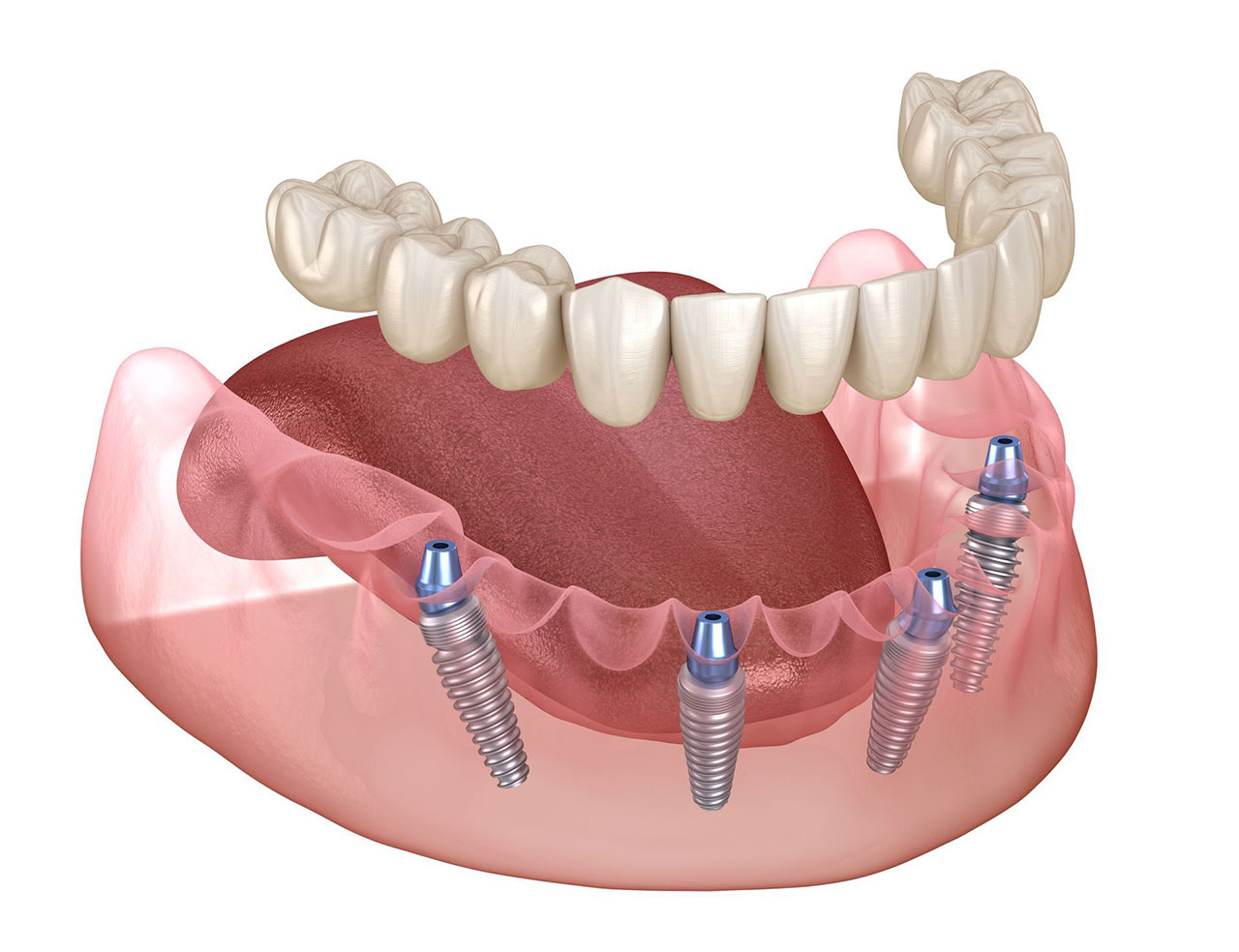
If the removed tooth is not a wisdom tooth, replacing it may be recommended. A missing tooth can affect chewing, spacing, and bite balance. Depending on your needs, Revive Dental Co. may discuss dental implants, bridges, partial dentures, or full dentures. Each option has different advantages, timelines, and maintenance needs.
Dental implants are often considered when patients want a stable replacement that supports the jawbone. Bridges may be useful when neighboring teeth also need crowns. Dentures or partial dentures may be appropriate when several teeth are missing. The best choice depends on your oral health, goals, budget, and comfort level.
The replacement conversation can happen before or after extraction. Some patients want every detail planned in advance, while others need urgent relief first. Either way, the goal is to make sure you understand what comes next and do not feel left with unanswered questions.
Gentle Care for a Healthier Path Forward
Tooth extractions in Oak Brook, IL can be a positive step when a tooth is too damaged, painful, infected, or unstable to keep. With a calm approach and personalized planning, Revive Dental Co. can help make the process feel clear, comfortable, and focused on your long-term health.
Need a tooth checked in Oak Brook? Book an Appointment with Revive Dental Co. or call (630) 822-9706 to schedule an evaluation and learn whether tooth extraction or another option is right for you.