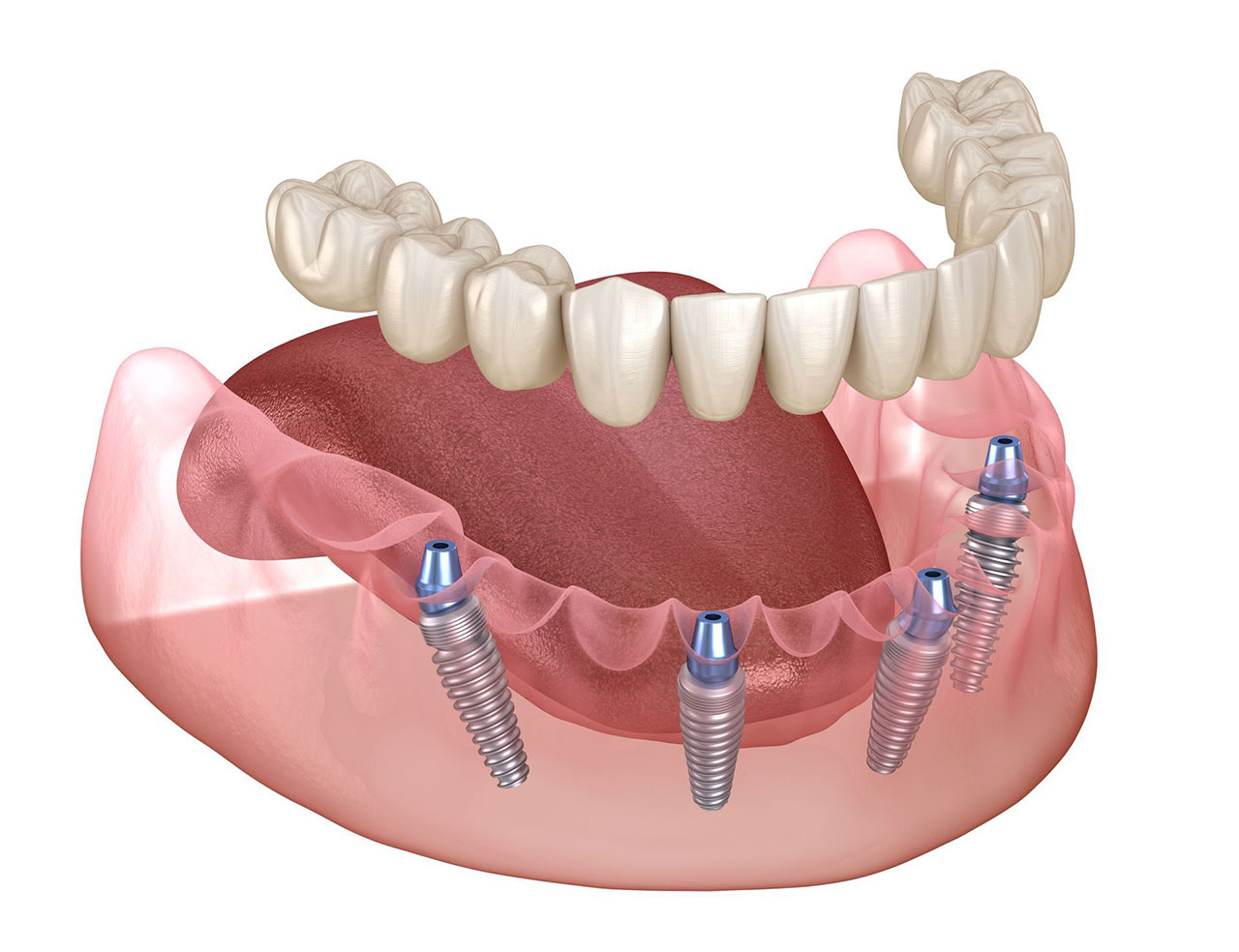

What really happens after a tooth is lost, and why does replacing it sooner matter? A missing tooth can feel like one small gap, but it can influence your bite, your chewing patterns, your neighboring teeth, and even the way the jawbone supports your smile. For many patients, dental implants in Oak Brook, IL offer a stable, natural-looking way to replace missing teeth while helping protect long-term oral function.
At Revive Dental Co., dental implants are planned with the whole smile in mind. The goal is not simply to fill an empty space. Instead, implant dentistry focuses on restoring the root area, rebuilding the visible tooth, and creating a result that feels comfortable when you eat, speak, and smile. Because tooth loss affects each patient differently, the best dental implant plan starts with a thorough evaluation and a clear conversation about your goals.
Why a Missing Tooth Can Affect More Than Your Smile
When a tooth is lost, the surrounding teeth may begin to shift toward the open space. This movement can change the way your bite fits together. Over time, chewing pressure may become uneven, which can place extra stress on certain teeth. In addition, food may collect near the gap, making the area harder to clean. As a result, one missing tooth can create changes that extend beyond the original problem.
The jawbone also responds to tooth loss. Natural tooth roots stimulate the bone when you chew. Once a tooth is gone, that stimulation is reduced in the area where the root used to be. Consequently, the bone can gradually shrink. This may affect the shape of the gums and the support available for future tooth replacement. Because of this, dental implants can be especially helpful since they replace the root structure beneath the gumline.
Replacing a missing tooth can also make everyday life easier. Many patients avoid chewing on one side after losing a tooth. Others become more cautious when smiling or speaking. Although these adjustments may seem minor at first, they can become frustrating over time. Dental implants are designed to restore confidence and comfort by creating a secure tooth replacement that works with your natural bite.
How Dental Implants Work
A dental implant is a small post placed into the jawbone where a tooth root used to be. After placement, the implant heals and integrates with the bone. Once the implant is stable, a connector and custom restoration are attached. For a single missing tooth, the final restoration is usually a crown. For several missing teeth, implants may support a bridge or denture.
This root-level support is what makes dental implants different from many other tooth replacement options. A traditional bridge replaces the visible tooth, but it depends on neighboring teeth for support. A removable denture replaces teeth above the gums, but it may not provide the same stability as an implant-supported option. Dental implants, however, are anchored in the jaw, which can make chewing and speaking feel more natural.
In addition, implant crowns are custom-designed to blend with surrounding teeth. The shade, shape, size, and bite are carefully considered. Therefore, a well-planned dental implant should not stand out. It should look like it belongs in your smile and feel comfortable during normal function.
Benefits of Dental Implants
- Stable tooth replacement: Dental implants are anchored in the jaw, which can provide strong support for chewing and speaking.
- Natural appearance: Implant restorations are customized to match the color, shape, and size of nearby teeth.
- Jawbone support: Because implants replace the root area, they help stimulate the bone where a tooth is missing.
- Protection for neighboring teeth: A single implant can replace a tooth without reshaping adjacent teeth for a traditional bridge.
- Versatile solutions: Implants can replace one tooth, several teeth, or help stabilize a full denture.
- Long-term confidence: A secure implant restoration can help patients feel more comfortable eating, smiling, and speaking.
These benefits make dental implants a strong option for many patients with missing teeth. However, dental implants are not a one-size-fits-all solution. Gum health, bone support, bite forces, medical history, and home care habits all matter. That is why a consultation is so important before deciding whether implant treatment is right for you.
Who Is a Good Candidate for Dental Implants?
Many adults with missing teeth may be candidates for dental implants. Ideal candidates usually have healthy gums, enough jawbone to support the implant, and a commitment to good oral hygiene. However, patients who have been missing teeth for a long time may still have options. Bone grafting may be recommended when the jawbone needs additional support before implant placement.
Your overall health also matters. Certain medical conditions, medications, smoking habits, or healing concerns can affect implant planning. During your consultation, the dental team will review your health history and take any needed images to evaluate the treatment area. This helps create a safer and more predictable plan.
Patients often ask whether they are too old for dental implants. Age alone is usually not the deciding factor. Instead, the dentist looks at oral health, bone quality, general health, and treatment goals. Therefore, patients should not assume they are not candidates until they have been evaluated.
Dental Implants and the Rest of Your Treatment Plan
Dental implants may be part of a broader plan. For example, if a damaged tooth needs to be removed first, oral surgery may be included in your care. If several teeth are missing, implants may be used with a bridge or an implant-retained denture. Meanwhile, patients planning a cosmetic refresh may include dental implants in a larger smile makeover.
Planning the final restoration before implant placement is important. The implant must be positioned so the crown, bridge, or denture can function correctly. In other words, the dentist is not just thinking about where the implant can fit in the bone. The dentist is also thinking about how the final tooth will look, how it will meet the opposing teeth, and how it will support your smile.
This level of planning helps patients understand each phase. Some cases can move forward quickly, while others require healing time between steps. Although the process can take several months, each phase supports the strength and stability of the final result. In addition, your team will explain what to expect so the process feels organized rather than overwhelming.
Caring for Dental Implants After Treatment
Dental implants are strong, but they still need daily care. Brushing, flossing, and routine dental visits help protect the gums and surrounding bone. Your dental team may recommend special floss, interdental brushes, or a water flosser depending on the restoration. Keeping the area clean is essential because gum inflammation can affect implant health.
It is also important to protect the implant from excessive force. If you grind or clench your teeth, a nightguard may be recommended. In addition, avoid chewing ice, opening packages with your teeth, or biting hard objects. These habits can damage implant crowns, natural teeth, or other dental work.
With proper care, dental implants can provide lasting support for your smile. They can help restore the feeling of having a complete set of teeth and make everyday routines more comfortable. For patients who want a stable replacement after tooth loss, implants can be a meaningful investment in long-term oral health.
Restore the Space With Confidence
A missing tooth does not have to create long-term uncertainty. Dental implants in Oak Brook, IL can help restore chewing strength, smile balance, and confidence with a replacement designed to look and feel natural.
Ready to learn whether dental implants are right for you? Book an Appointment with Revive Dental Co. in Oak Brook or call (630) 822-9706 to schedule your implant consultation.